Contents:
- Intro Question
- Brief Answer
- Why (Arguments)
- When It Applies and When It Doesn’t
- Sustainability Angle
- Regional Difference
- Seasonal Timeline Reference
- FAQ
- What credit score do I need for equipment financing?
- Can startups qualify for equipment financing?
- What happens if I can’t repay an equipment loan?
- Conclusion
- Comparing Lease vs Loan Options
- Preparing Your Application
- Understanding Interest Rates and Terms
- Tax Benefits Worth Knowing
- Understanding Depreciation Benefits
- Avoiding Common Financing Mistakes
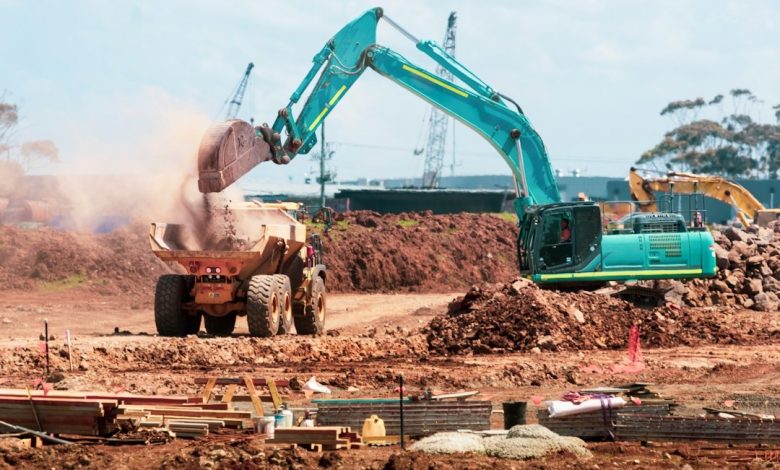
Many assume you need a stack of cash reserves to buy new equipment, but that persistent myth keeps countless businesses from growing when they genuinely could.
Intro Question
Could financing your next piece of equipment actually preserve more cash flow than paying for it outright ever would?
Brief Answer
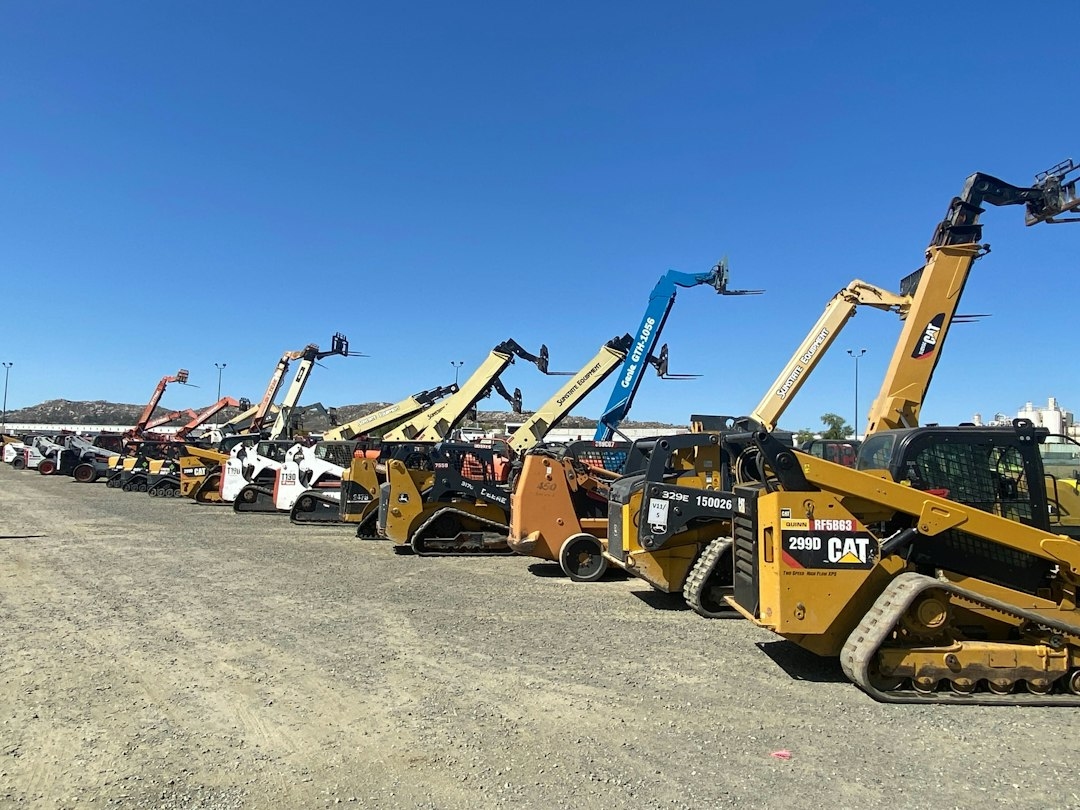
Equipment financing lets businesses borrow specifically to purchase machinery or tools, using the equipment itself as loan collateral.
Why (Arguments)
This preserves working capital for other operational needs while still allowing your business to acquire equipment necessary for growth.
Many lenders offer faster approval for equipment loans than general business loans, since the collateral reduces overall lender risk.
When It Applies and When It Doesn’t
Equipment financing suits businesses purchasing vehicles, machinery, or technology, while it’s less suited for covering operational expenses like payroll.
Sustainability Angle
Some lenders now offer favorable terms for financing energy-efficient equipment, aligning growth with genuinely sustainable business practices.
Regional Difference
Equipment financing terms can vary by state due to differing commercial lending regulations, so comparing regional lenders is genuinely worthwhile.
Seasonal Timeline Reference
Many businesses time equipment purchases for year-end, taking advantage of potential tax deductions before the calendar year closes.
FAQ
What credit score do I need for equipment financing?
Requirements vary by lender, though many approve businesses with scores above 600, especially given the collateral involved.
Can startups qualify for equipment financing?
Yes, some lenders specifically work with newer businesses, though terms may be less favorable than for established companies.
What happens if I can’t repay an equipment loan?
Lenders can repossess the financed equipment, similar to how an auto lender would repossess a vehicle after default.
Conclusion
Equipment financing offers a practical way to grow your operational capacity without draining the cash reserves your business genuinely needs.
Comparing Lease vs Loan Options
Equipment leasing offers lower upfront costs but no ownership, while financing builds equity, so weigh your specific long-term needs.
Preparing Your Application
Gather financial statements and a clear business plan before applying, since thorough documentation speeds approval considerably.
Understanding Interest Rates and Terms
Equipment loan rates typically range from 6 to 20 percent depending on creditworthiness, so shop multiple lenders before committing.
Tax Benefits Worth Knowing
Section 179 deductions often let businesses write off qualifying equipment purchases in the same year, worth discussing with your accountant.
Understanding Depreciation Benefits
Financed equipment can still qualify for depreciation deductions, providing tax benefits similar to those available with outright cash purchases.
Avoiding Common Financing Mistakes
Failing to read all fee disclosures before signing can result in unexpected costs that erode the benefits of financing altogether.