Contents:
- Direct Answer
- Why This Is So
- Detailed Breakdown
- Exceptions and Nuances
- Sustainability Angle
- Quick Cost Breakdown
- Expert Quote
- FAQ
- Should I include my physical address on a business card?
- Are QR codes worth adding to business cards?
- How many fonts should a business card use?
- Digital Alternatives Worth Considering
- Ordering Your First Batch
- Choosing Card Stock and Finish
- Networking Event Etiquette
- Making Your Card Memorable
- Updating Cards as You Grow
- Coordinating With Your Overall Brand
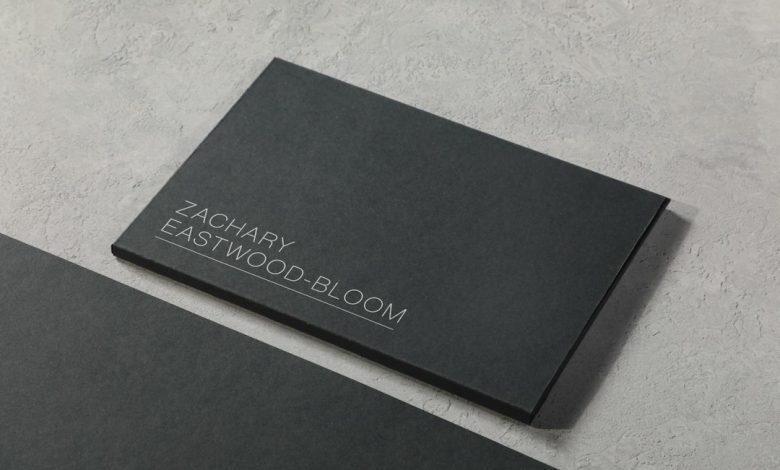
Why do some business cards get pinned to a corkboard for years while most end up forgotten in a jacket pocket within a week?
Direct Answer
A strong business card includes your name, title, company name and logo, phone number, email, website, and a clear call to action.
Why This Is So
Each element serves a specific purpose, helping new contacts quickly identify who you are and exactly how to reach you again.
Detailed Breakdown
Your name and title establish credibility, while your logo and consistent branding help the card feel professional and memorable.
Contact information should prioritize the method you actually prefer, whether that’s phone, email, or a specific social platform.
A short tagline or specialty description helps recipients remember exactly what you do without needing to ask directly.
Exceptions and Nuances
Creative industries sometimes benefit from unconventional card designs, while conservative industries like law or finance favor cleaner, minimal layouts.
Sustainability Angle
Recycled paper stock or digital business cards increasingly appeal to environmentally conscious clients and reduce ongoing printing costs considerably.
Quick Cost Breakdown
Professionally printed cards typically cost $30 to $100 for a batch of 250 to 500, depending on paper quality and finish.
Expert Quote
“A cluttered card with too much information gets tossed faster than a clean one with just the essentials,” says branding consultant Yara Castellanos.
FAQ
Should I include my physical address on a business card?
Only if clients visit your location; service-based businesses without a public storefront often omit it entirely.
Are QR codes worth adding to business cards?
Yes, a QR code linking to your website or portfolio adds convenience without cluttering the card’s visual design.
How many fonts should a business card use?
Stick to one or two fonts maximum, since too many styles make a card look unprofessional and disorganized.
Digital Alternatives Worth Considering
Digital business cards shared via QR code or NFC increasingly supplement or replace paper cards, especially among younger professionals.
Ordering Your First Batch
Start with a smaller print run of 100 to 250 cards, allowing you to update details before committing to a larger quantity.
Choosing Card Stock and Finish
Matte finishes feel more premium and resist fingerprints better than glossy options, worth considering for a lasting first impression.
Networking Event Etiquette
Always carry cards in a dedicated holder rather than a wallet, ensuring they stay crisp and professional when handed to new contacts.
Making Your Card Memorable
A unique shape, texture, or subtle interactive element can help your card stand out among the dozens collected at any given event.
Updating Cards as You Grow
Revisit your card design whenever your branding, title, or contact information changes, avoiding the awkwardness of handing out outdated information.
Coordinating With Your Overall Brand
Match your card’s colors and fonts to your website and social media presence, creating a cohesive, professional impression across every touchpoint.