
Contents:
- Overview of End Result
- What You’ll Need
- Step 1: Research Your Local Market
- Step 2: Purchase Essential Equipment
- Step 3: Register Your Business and Get Insured
- Step 4: Set Your Pricing Structure
- Step 5: Market to Your First Customers
- Seasonal Timeline Reference
- Expert Quote
- Quick Cost Breakdown
- FAQ
- How much can a lawn care business realistically earn?
- Do I need a special license to mow lawns?
- Should I offer contracts or one-time services?
- Scaling Beyond Solo Operations
- Building Recurring Revenue
- Choosing Between Residential and Commercial Clients
A teenager mowing neighborhood lawns for pocket money and a six-figure lawn care company both start with the exact same fundamental question: what should I actually charge?
Overview of End Result
A well-planned lawn care business balances affordable startup equipment, competitive local pricing, and a growing base of recurring seasonal customers.
What You’ll Need
Gather basic equipment including a reliable mower, trimmer, blower, a truck or trailer for transport, and general liability insurance before taking on clients.
Step 1: Research Your Local Market
Check competitor pricing and service offerings in your area, since lawn care rates vary considerably by region and typical lot size.
Step 2: Purchase Essential Equipment
Start with commercial-grade but not top-tier equipment, since quality matters more than premium branding when you’re still building a client base.
Step 3: Register Your Business and Get Insured
Form an LLC and obtain general liability insurance, protecting yourself from property damage claims that inevitably happen occasionally in this line of work.
Step 4: Set Your Pricing Structure
Price by lot size and service complexity, typically ranging from thirty to eighty dollars per standard residential mow depending on your specific region.
Step 5: Market to Your First Customers
Distribute flyers in target neighborhoods, create local social media listings, and ask early customers for referrals to build initial momentum quickly.
Seasonal Timeline Reference
Spring brings peak demand for cleanup and initial mowing, summer sustains steady weekly mowing, and fall shifts toward leaf removal and winterization services.
Expert Quote
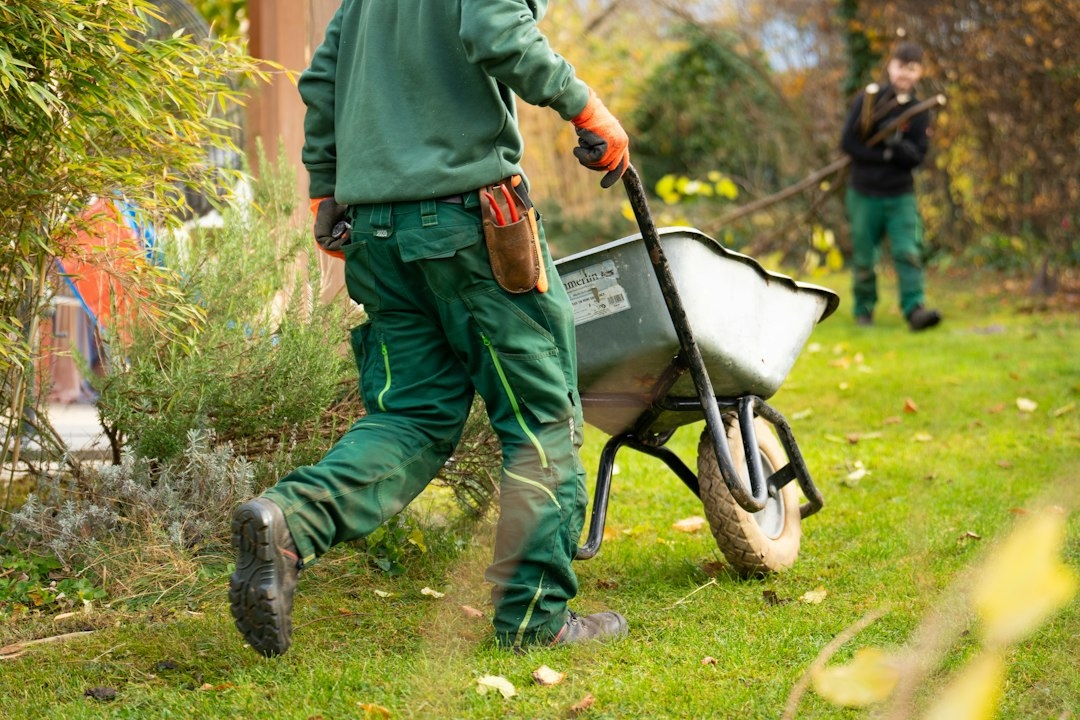
“New lawn care owners consistently underprice their first season trying to win customers, then struggle to raise rates without losing them,” says landscaping consultant Desmond Falk.
Quick Cost Breakdown
Initial equipment and insurance typically cost between $3,000 and $8,000, though starting with a used mower can reduce this considerably.
FAQ
How much can a lawn care business realistically earn?
A solo operator with a full route can earn $40,000 to $70,000 annually, with earnings scaling considerably once you hire additional crews.
Do I need a special license to mow lawns?
Most areas only require a standard business license, though applying pesticides or fertilizers often requires separate state certification.
Should I offer contracts or one-time services?
Recurring seasonal contracts provide more predictable income and are generally recommended over relying solely on one-time jobs.
Scaling Beyond Solo Operations
Once your route fills up, hiring a part-time helper lets you take on additional clients without sacrificing service quality on existing accounts.
Building Recurring Revenue
Offering seasonal contracts rather than one-off jobs creates predictable income and reduces the constant hustle of finding new customers each week.
Choosing Between Residential and Commercial Clients
Commercial contracts often offer more stable, higher-volume revenue, though residential clients typically provide more flexibility for a newer, smaller operation.