Contents:
- Overview of End Result
- What You’ll Need
- Numbered Steps
- Common Mistakes to Avoid
- What the Pros Know
- Quick Cost Breakdown
- FAQ
- How much inventory should I order for opening day?
- What’s the best POS system for a small retail shop?
- Should I sign a long-term retail lease as a new business?
- Next Steps
- Building an Online Presence
- Managing Seasonal Inventory
- Training Your Staff Effectively
- Handling Returns and Customer Service
- Planning Your Grand Opening
- Adapting to Changing Consumer Habits
Retail has evolved dramatically over the past decade, yet the fundamental formula for a successful shop remains surprisingly consistent across generations.
Overview of End Result
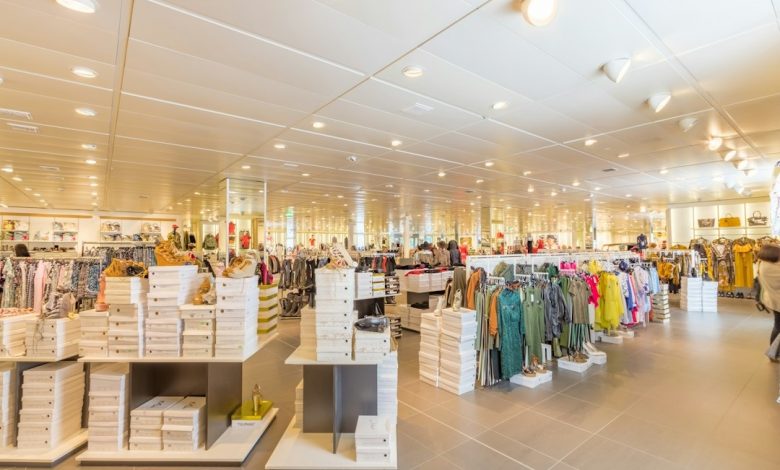
A well-planned retail business combines a strategically chosen location, carefully managed inventory, and a reliable point-of-sale system working together seamlessly.
What You’ll Need
Gather startup capital for lease deposits and initial inventory, along with a clear understanding of your target customer’s shopping habits.
Numbered Steps
Step one: choose a location with genuine foot traffic matching your target demographic, since location often determines success more than product selection alone.
Step two: negotiate favorable lease terms, including any build-out allowances landlords sometimes offer new tenants for improvements.
Step three: select a POS system that handles inventory tracking, sales reporting, and customer data in one integrated platform.
Step four: order initial inventory conservatively, avoiding overstock that ties up cash before you understand actual customer demand.
Common Mistakes to Avoid
Overestimating initial inventory needs remains one of the most common, costly mistakes new retail owners consistently make early on.
What the Pros Know
“Successful retailers track sell-through rate weekly, adjusting orders quickly rather than waiting for a slow season to reveal the problem,” notes retail consultant Béatrice Lindqvist.
Quick Cost Breakdown
Total startup costs typically range from $30,000 to $100,000, covering lease deposits, initial inventory, fixtures, and POS hardware.
FAQ
How much inventory should I order for opening day?
Start conservatively, ordering enough for roughly six to eight weeks of sales based on realistic, researched demand estimates.
What’s the best POS system for a small retail shop?

Popular options like Square or Shopify POS offer affordable, scalable solutions well-suited to most small retail operations.
Should I sign a long-term retail lease as a new business?
Negotiate for a shorter initial term with renewal options, reducing risk while you validate your concept in that specific location.
Next Steps
Once open, track sales data closely and adjust inventory and staffing based on real customer behavior rather than initial assumptions.
Building an Online Presence
Even brick-and-mortar retailers benefit from a simple website and social media presence, helping local customers discover your shop.
Managing Seasonal Inventory
Plan inventory purchases around seasonal demand shifts, avoiding excess stock that ties up cash during genuinely slower periods.
Training Your Staff Effectively
Well-trained staff who genuinely understand your products sell more confidently and create the customer experience that drives repeat visits.
Handling Returns and Customer Service
A clear, fair return policy builds trust with new customers, even if it occasionally means absorbing a loss on an individual sale.
Planning Your Grand Opening
A well-promoted opening event with local media coverage or influencer partnerships can generate genuine early buzz and foot traffic.
Adapting to Changing Consumer Habits
Even successful physical retailers increasingly need a basic e-commerce presence, meeting customers who prefer researching or buying online first.